
01
Do a job you're good at
Sarah needs her CV rewritten. You write for a living. You take the job, she confirms it's done, and the credits land in your wallet.
+3 credits earnedPiloting in Amersham · one town at a time
Do a job you're good at for someone nearby. Earn credits. Spend them with a neighbour who's good at the thing you're not. No money involved.
Free during the pilot · Credits earned, never bought
The loop
Straight swaps need a coincidence: someone who wants what you do and does what you want. Credits break the coincidence in half.
01
Sarah needs her CV rewritten. You write for a living. You take the job, she confirms it's done, and the credits land in your wallet.
+3 credits earned02
Credits sit in your wallet until you need them. They are earned by doing, never bought, so every credit in the town represents real work done for a real neighbour.
Wallet: 11 credits03
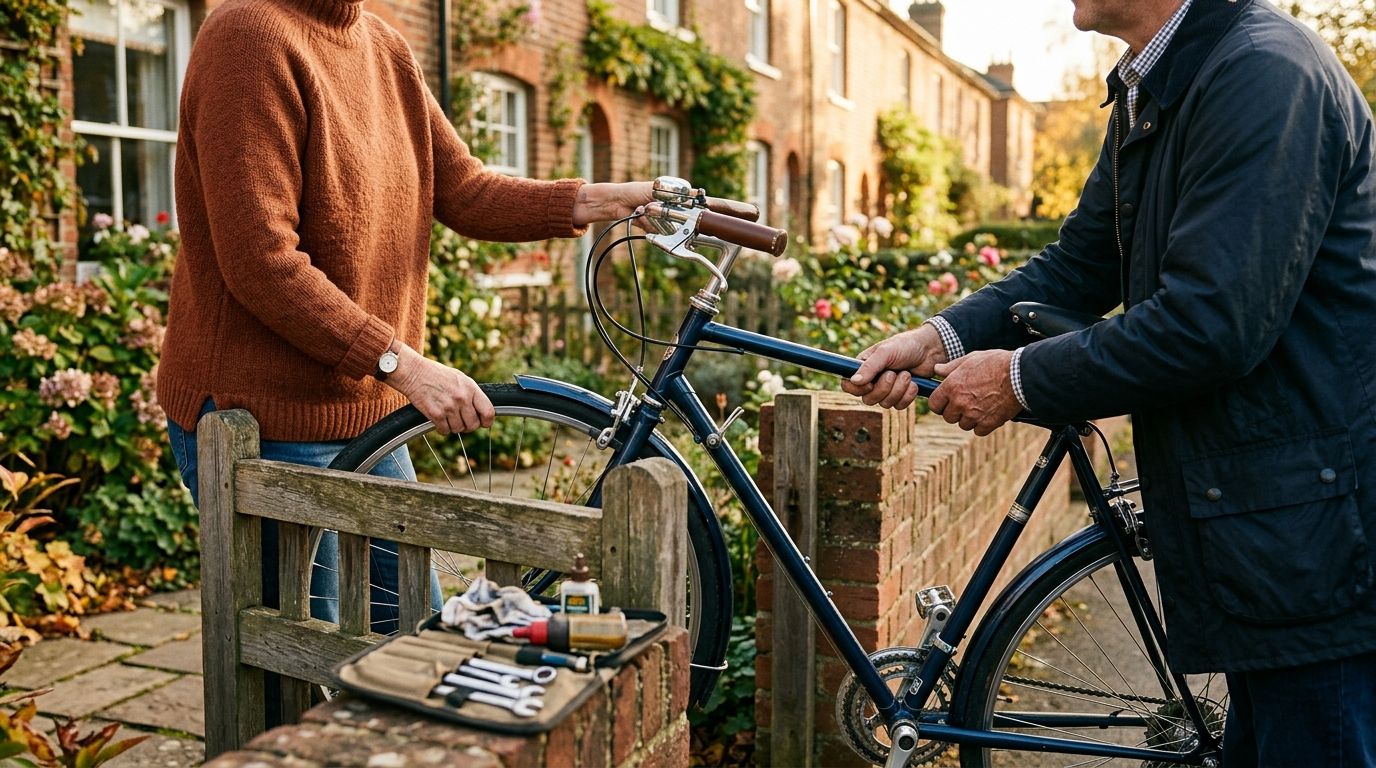
Your bike needs a service. Dev three streets over fixes bikes. You spend your credits with him, he spends his with the dog walker. Nobody invoices anybody.
-4 credits spentWhat trades
The pilot opens with digital, creative and low-risk practical work. Regulated trades and care work are deliberately excluded until trust and safety tooling has earned it.
Solid = in the pilot. Dashed = later, once the dispute process has proven itself. Struck through = not on this platform; gas engineers and childminders deserve a proper market, not a barter experiment.
Straight answers
Thinking out loud
The double coincidence of wants has killed every swap site since the 1990s. Here is the mechanism that survives contact with real neighbours.

A national launch with nobody nearby is an empty room. Why 200 members in one postcode beats 20,000 spread across the country.
Towns open in waitlist order. The more neighbours who sign up, the sooner yours trades.
Join the waitlist